
As the U.S. market enters a fourth year of a bull run, analysts are optimistic about sustained growth amidst changing economic landscapes. Recent trends indicate that the robust performance of the S&P 500, which enjoyed unexpected double-digit gains last year, may not be an isolated occurrence. Investors are asking critical questions about the markets’ future trajectory, particularly as various dynamics play a pivotal role in shaping outcomes.
"From energy grids and data centers to defense systems and digital platforms, power is driving the global economy — and shaping the outlook for 2026," said Chris Hyzy, Chief Investment Officer of Merrill and Bank of America Private Bank. This perspective underscores a belief that the ongoing economic expansion has multiple drivers fueling potential upward momentum.
"From energy grids and data centers to defense systems and digital platforms, power is driving the global economy — and shaping the outlook for 2026,"
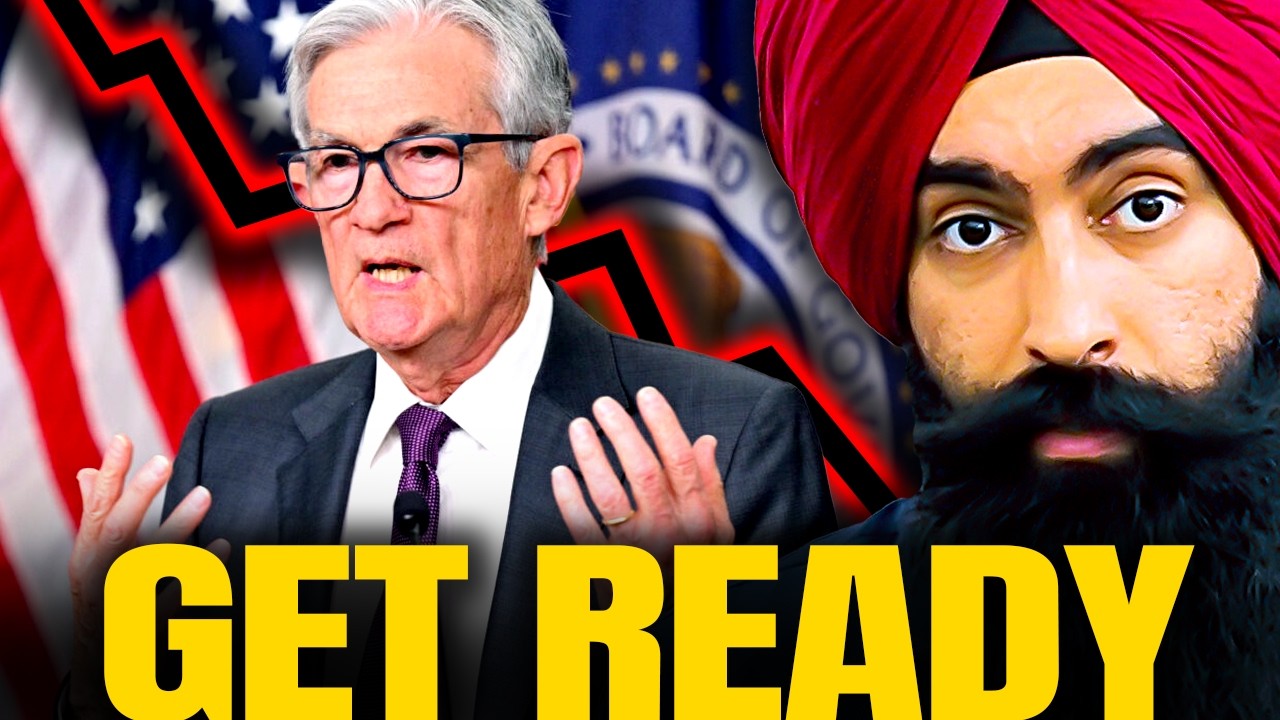

Addressing concerns about the sustainability of this growth, Joe Quinlan, head of Market Strategy for the Chief Investment Office (CIO), shared several factors that could bolster equities. He noted, "The U.S. economy is firing on all cylinders." His optimism is rooted in multiple indicators, beginning with anticipated Federal Reserve policy adjustments.
Quinlan referred to expected cuts by the Federal Reserve as a significant bullish signal for equities. "We’re in the mid-innings of a Fed easing cycle, which is typically very bullish for equities," he explained. Such monetary policy could further stimulate market activity by making borrowing cheaper for companies and consumers.

"We’re in the mid-innings of a Fed easing cycle, which is typically very bullish for equities,"

Global economic conditions are also shifting, with countries looking to regain momentum in the face of U.S. tariffs and trade challenges. "Many countries have responded to U.S. tariffs and trade frictions by redoubling their own efforts to expand their economies," Quinlan asserted. This collective response could lead to a more synchronized global recovery as 2026 progresses.
The decline of the U.S. dollar is another factor providing an edge to American exporters. "A dollar that is losing value against other currencies helps drive earnings growth by boosting the competitiveness of U.S. goods and services," Quinlan remarked. This could particularly benefit multinational corporations, enhancing their performance in foreign markets.

Impact and Legacy
Impact and Legacy
Impact and Legacy
Legislative achievements like the One Big Beautiful Bill Act are also contributing to the investment climate. Hyzy expressed optimism about the impact of this legislation, stating, "This sweeping legislation provides capital depreciation allowances for companies and other tax advantages that should help fuel still more capital expenditures in 2026." Such policies are designed to incentivize business investment, potentially leading to heightened economic activity.
Quinlan highlighted robust corporate capital expenditures, emphasizing the significant investments in infrastructure related to artificial intelligence. "The data center buildout is so strong that we’re spending almost as much there as we’re putting into the construction of office buildings," he noted, highlighting AI’s growing role in corporate investment strategies.
"The data center buildout is so strong that we’re spending almost as much there as we’re putting into the construction of office buildings,"
Impact and Legacy
Impact and Legacy
Consumer spending trends reflect a complex but encouraging picture. Although lower-income households face fatigue from rising costs, wealthier segments of the population remain buoyant due to investment gains and rising home values. "Boomer spending continues to be one of the largest tailwinds in the economy overall," Hyzy stated, emphasizing the influence of demographic shifts on spending patterns.
"Boomer spending continues to be one of the largest tailwinds in the economy overall,"
Despite these optimistic trends, investors are advised to remain vigilant about potential risks. Hyzy warned of the challenges posed by trade tensions potentially inflating costs for consumers. "Corporations are likely to pass more tariff-related costs along to consumers, and that could affect spending by individuals and corporations," he cautioned.
"Corporations are likely to pass more tariff-related costs along to consumers, and that could affect spending by individuals and corporations,"
Impact and Legacy
In this environment, investor sentiment remains a key consideration. Hyzy described the current market as an "owl market," indicating a period of cautious observation from investors. "As their enthusiasm increases, they could deploy the considerable amounts of cash sitting on the sidelines, helping propel the market to further gains," he explained, hinting at a potential market surge when confidence returns.
"owl market,"
Looking ahead, challenges such as the lingering effects of the longest U.S. government shutdown in history also warrant careful attention. As analysts weigh the implications of these multifaceted issues, the outlook for the market remains cautiously optimistic, positioning the investment community to capitalize on potential growth opportunities while being mindful of evolving risks.