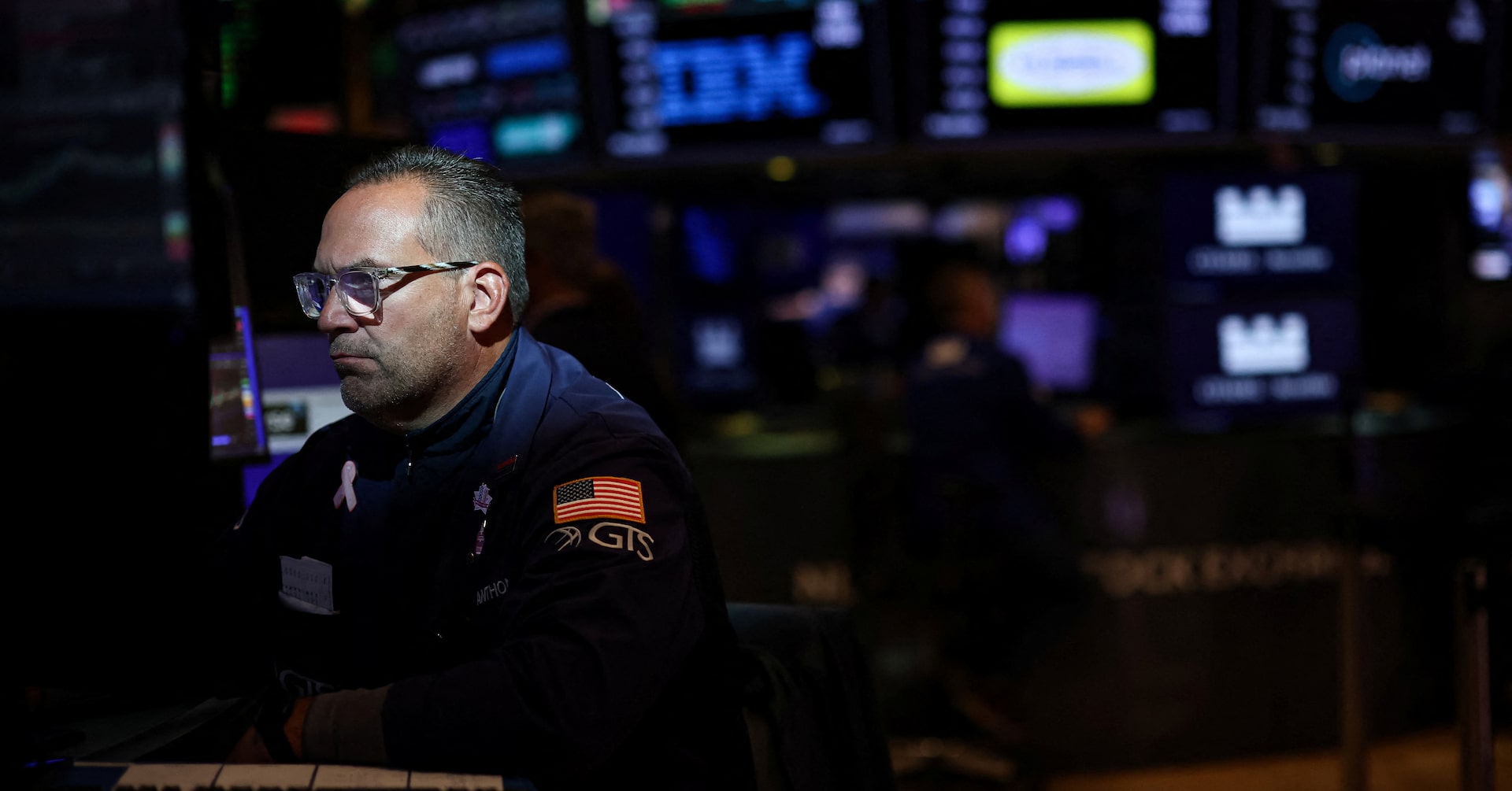
On September 12, the Nasdaq composite achieved a record closing high in a mixed trading session, primarily driven by gains in major tech players like Microsoft and Tesla. This upward momentum comes as investors prepare for a pivotal Federal Reserve policy meeting next week, during which expectations lean toward a possible interest rate cut to bolster a waning jobs market.
"Because we had such a nice jump in the stock market yesterday, investors are basically catching their breath," explained Sam Stovall, chief investment strategist at CFRA Research. The anticipation surrounding the central bank’s decision has turned market sentiment cautious. "There's really not going to be any data between now and Wednesday. It's a sort of wait-and-see attitude," he added.
"Because we had such a nice jump in the stock market yesterday, investors are basically catching their breath,"


Championship Implications
On this particular trading day, the Nasdaq rose 0.45%, ending the session at 22,141.10 points, reinforcing the tech-heavy index's remarkable climb. Conversely, the S&P 500 dipped slightly by 0.05% to 6,584.29 points, while the Dow Jones Industrial Average fell by 0.59% to 45,834.22 points.

Team Dynamics
Team Dynamics
Tech stocks were at the forefront of this advance. Microsoft saw a 1.8% increase, boosted by its strategic move to avoid a potential EU antitrust fine by cutting prices on its Office products, excluding Teams. Similarly, Tesla surged 7.4%, buoyed by the reassurances of board chair Robyn Denholm, who stated that concerns regarding CEO Elon Musk's political activities affecting sales were unfounded. "Elon is front and center in the company," Denholm maintained.
"Elon is front and center in the company,"


Despite these gains in the tech sector, some stocks faced difficulties. The Dow's decline was attributed to decreases in Goldman Sachs and Sherwin-Williams. Furthermore, the S&P 500's varied performance was illustrated by sector movement; seven out of eleven S&P sectors saw losses, led primarily by healthcare, which fell by 1.13%, and materials, down 0.97%.
In a reflection of economic pressures, the University of Michigan's monthly survey noted a decline in U.S. consumer sentiment for a second consecutive month. The findings reveal growing concerns among consumers regarding business conditions, job stability, and inflationary risks.
Career Journey
Career Journey
For the week leading up to this session, the S&P 500 achieved an increase of 1.6%, while the Dow rose nearly 1%. The Nasdaq benefitted the most with a 2% gain, significantly informed by a resurgence in artificial intelligence investments following a strong revenue forecast from Oracle.
Looking Ahead
Looking forward, market analysts are eyeing the Fed meeting with great interest. Interest rate futures indicate a growing consensus for rate cuts, predicting reductions totaling up to 75 basis points by year-end as labor market conditions appear increasingly troubling. Such moves by the Fed could have profound implications for the markets and investors alike, as traders remain on high alert for forthcoming economic data and central bank decisions.