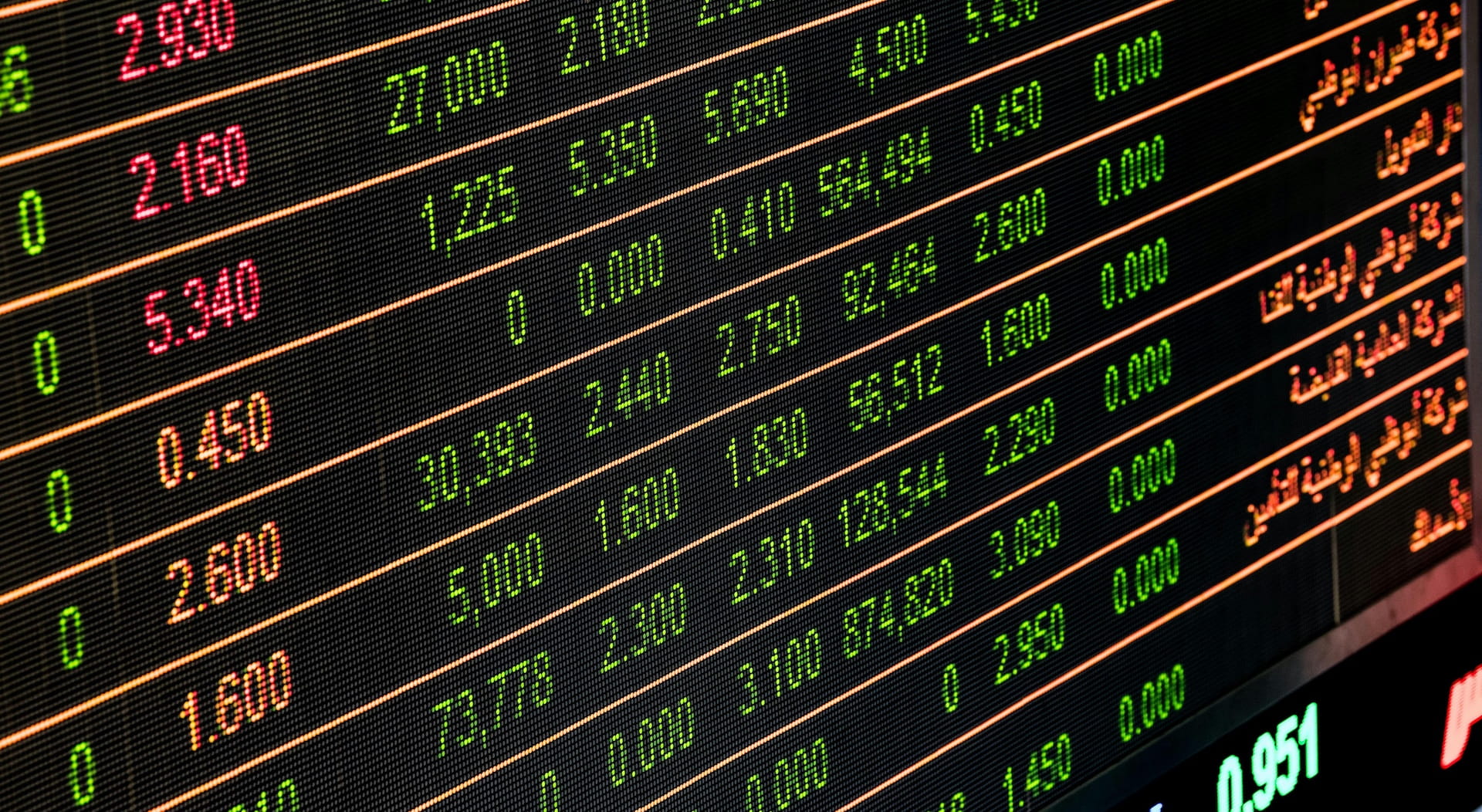
On Thursday, Wall Street faced a significant downturn as the S&P 500 fell over 10% from its all-time high set just a month prior, marking the first correction since 2023. This steep decline was largely attributed to escalating trade tensions initiated by President Donald Trump, who threatened substantial tariffs on imported goods.
"A 10% drop is a big enough deal that professional investors have a name for it— a 'correction,'" said Market Analyst John D. Evans. The S&P 500 dropped by 1.4% during the day’s trading, leading to heightened concerns among equity investors.
"A 10% drop is a big enough deal that professional investors have a name for it— a 'correction,'"

Championship Implications
Meanwhile, the Dow Jones Industrial Average experienced a sharp decline, falling 537 points or 1.3%, while the Nasdaq composite plummeted by 2%. Such drastic swings are unusual for the stock market, which saw the Dow oscillate between minor gains and a staggering drop of 689 points within the day.

The tumultuous market is reflective of growing unease regarding how enduring President Trump’s trade policies will be, particularly in relation to tariffs that could inflate costs for U.S. consumers and drive down confidence in the economy. Trump’s agenda includes a desire to bring manufacturing jobs back to the U.S. and altering the size of government.
Impact and Legacy
Impact and Legacy


Impact and Legacy
"The uncertainty about which tariffs will stick from Trump's barrage of on-again, off-again announcements has already impacted U.S. households and business confidence," said economist Linda Greer. Many industry leaders are beginning to report notable changes in customer behavior due to these unpredictable economic conditions.
The catalyst for this latest downturn was Trump’s announcement regarding potential 200% tariffs on products such as Champagne and other European wines, which would be implemented unless the European Union retracts a recently imposed tariff on U.S. whiskey. On the prior Wednesday, the EU had retaliated against U.S. tariffs on steel and aluminum with their own set of financial penalties.
This ongoing trade war, characterized by reciprocal tariff announcements, has left investors grappling with stark uncertainty. "The dizzying, battering swings for stocks have come not just day to day but also hour to hour," noted analyst Sarah Johnston.
"The dizzying, battering swings for stocks have come not just day to day but also hour to hour,"
Many analysts anticipate that prolonged trade tensions could lead to a significant pullback in consumer spending, ultimately affecting the overall economy. With companies already noting shifts in customer behavior, the projections for economic growth continue to waver.
"We are at a critical juncture where the president’s decisions could lead to far-reaching consequences for the U.S. economy," said economist Dr. Henry W. Field. As the stock market continues to react to political news, the landscape remains unpredictable.
Looking Ahead
As traders reassess their strategies amid the turbulent environment, the outlook for Wall Street hangs in the balance. Investors are watching closely for any signs of resolution in the trade war, as they weigh the implications for future economic stability.